
The Most Beautiful Venetian Plaster Colors: A Designer's Guide
Ready to Transform Your Walls?
Get samples, pricing, or connect with a certified applicator.
Introduction
Venetian plaster colors offer a dimension that paint simply cannot achieve. Unlike flat paint finishes, venetian plaster creates depth through layered application and light-reflective properties that shift and change throughout the day. When you’re choosing venetian plaster colors for your interior design project, you’re not selecting a single flat hue—you’re curating an experience that responds to natural light, artificial illumination, and the viewer’s proximity to the wall.
The allure of venetian plaster colors lies in their translucency and movement. Because the plaster is applied in thin, overlapping coats, light penetrates through the surface layers, creating subtle variations in tone and luminosity that make the color feel alive. This is fundamentally different from paint, which sits on top of the surface as a flat, static layer. Understanding these distinctions will help you make informed decisions about which venetian plaster colors will work best in your space.
How Venetian Plaster Color Differs from Paint
The visual distinction between venetian plaster colors and painted walls becomes apparent immediately upon close inspection. Paint provides uniform, one-dimensional color coverage. Venetian plaster, conversely, offers a rich, stratified appearance that rewards careful observation.
Depth and Dimensional Quality
Venetian plaster colors gain their sophistication from the application method. Each coat of plaster is thin—typically 1-2mm—and laid down with a steel trowel in varied directions and pressures. This creates a surface with micro-peaks and valleys that catch light differently at every angle. A warm white venetian plaster might appear almost cream-colored when light strikes it head-on, yet reveal subtle gray undertones when viewed from the side.
This dimensional quality means that venetian plaster colors seem to “breathe” within a space. A guest room painted cream-colored might feel flat and uninspiring. The same room finished with cream-toned venetian plaster takes on architectural depth, making the space feel larger and more sophisticated.
Translucency and Light Play
Paint is inherently opaque—light reflects off the top surface. Venetian plaster is semi-translucent, especially in lighter shades. Light penetrates the first layers and reflects off deeper layers, creating a glowing quality that cannot be replicated with any paint product. This is why luxury hotels and high-end residences so frequently specify venetian plaster. The translucency creates an inherent sense of quality and craftsmanship.
When selecting venetian plaster colors, this translucent quality means the color will appear noticeably different depending on the time of day and light source. The same sage green plaster might look warm and earthy under incandescent morning light, cool and sophisticated under cool-toned afternoon daylight, and moody and atmospheric under evening accent lighting.
Popular Venetian Plaster Color Families
Understanding established color families helps narrow your choices and ensures cohesion throughout your space.
Warm Whites and Creams
The most universally specified venetian plaster colors are warm whites and creams. These aren’t sterile or cold—instead, they feature warm undertones drawn from ivory, champagne, or subtle warm gray. These shades work in virtually any design style, from minimalist modern to traditional transitional.
Warm white venetian plaster in master bedrooms creates a serene backdrop that feels expensive and refined. In open-concept living spaces, it provides cohesion without monotony. The beauty of choosing a warm white is its versatility—it becomes whatever the room needs it to be, adapting to your furniture, artwork, and personal style.
Earth Tones
Earth tone venetian plaster colors connect to natural materials and the landscape. These include ochres, warm taupes, soft terracottas, and warm sand tones. Earth tones are experiencing renewed popularity as interior design moves toward biophilic principles and natural material connections.
A warm terracotta-toned venetian plaster in a dining room creates an inviting, sophisticated atmosphere that feels grounded and organic. Ochre-based plaster in a home office promotes focus and creative thinking. These aren’t bright, overwhelming colors—rather, they’re muted, refined versions of natural earth pigments that feel timeless.
Grays and Charcoals
Cool-toned venetian plaster colors in the gray and charcoal range provide contemporary sophistication. These work beautifully in modern interiors, loft spaces, and industrial-inspired designs. The depth of charcoal plaster—with its subtle variations and light-reflective properties—far surpasses the flatness of gray paint.
A sophisticated charcoal gray venetian plaster on a feature wall behind a bed or sofa creates drama without heaviness. The plaster’s light-catching properties ensure the wall doesn’t appear dark or cave-like. Instead, it becomes a moody, sophisticated backdrop.
Warm Neutrals
Warm neutral venetian plaster colors sit between the simplicity of whites and the intensity of deeper earth tones. Think warm greiges, soft taupes, and creamy beiges with warm undertones. These are the most forgiving choices for residential applications because they work with virtually any design aesthetic and color scheme.
Trending Venetian Plaster Colors for 2026
The interior design landscape in 2026 continues to embrace authenticity and natural connections, reflected in venetian plaster color choices.
Warm Clay
Warm clay tones—inspired by terracotta and natural clay materials—are trending strongly. These are more muted than bright terracotta, featuring warm undertones without intensity. A warm clay venetian plaster creates intimate, welcoming spaces that feel rooted in natural materials.
Sage Green
Soft, muted sage green continues to grow in popularity. This is not a bright or vivid green—rather, it’s a sophisticated, grayish-green that connects to natural botanicals while maintaining calm, serene qualities. Sage green venetian plaster works equally well in traditional and contemporary spaces.
Dusty Rose and Mauve
Warm, desaturated pinks and mauves are gaining traction in sophisticated residential design. These aren’t baby-room pinks—they’re deeply sophisticated, complex tones that feel luxurious and surprisingly versatile. Dusty rose venetian plaster in a master bedroom or lounge creates an unexpectedly elegant atmosphere.
Midnight Navy
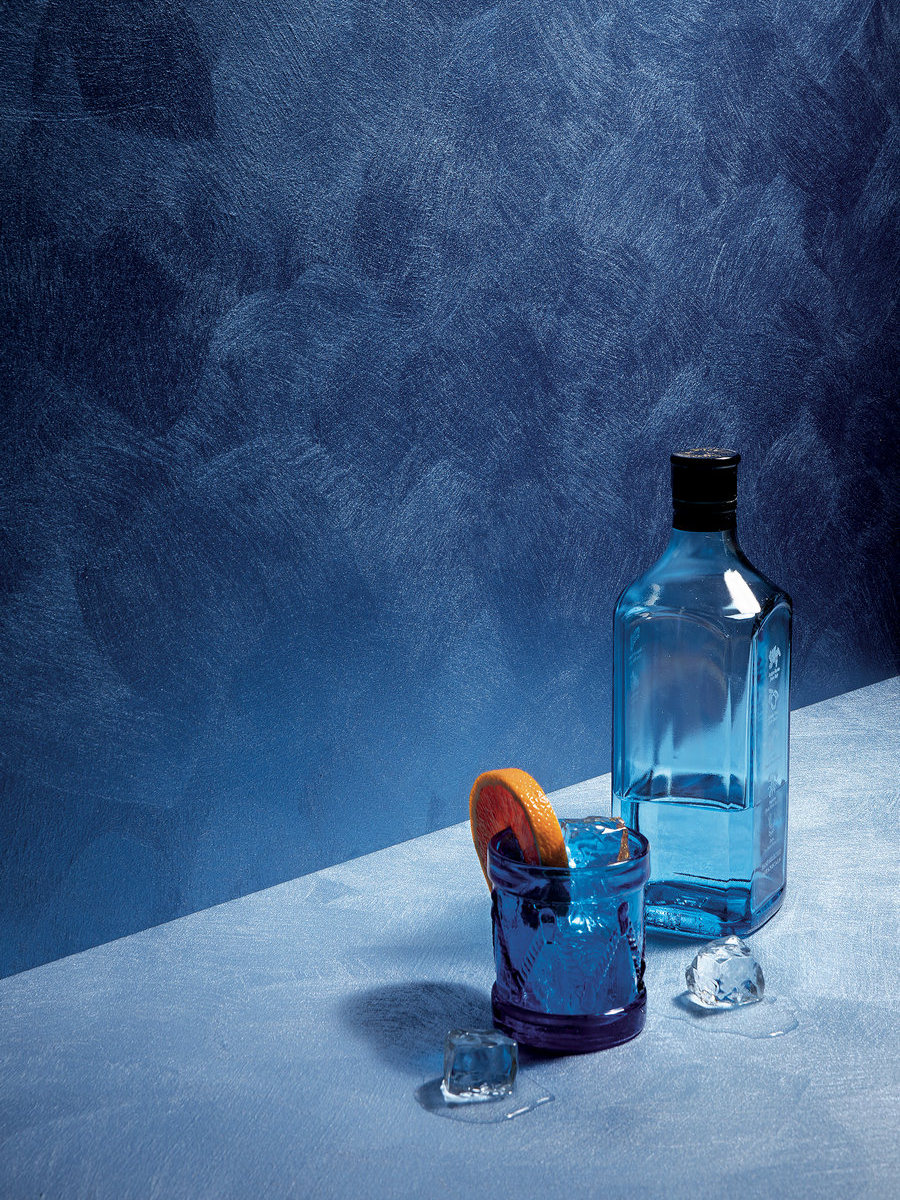
Deep navy plaster finishes are trending for accent walls and sophisticated powder rooms. The depth of venetian plaster ensures that dark colors don’t create a cave-like atmosphere. Instead, midnight navy plaster becomes a luxurious, dramatic backdrop with subtle variations that reward close examination.
How Lighting Affects Venetian Plaster Color
One of the most critical factors in selecting venetian plaster colors is understanding how different light sources affect the appearance.
Natural Light Variations
Natural light changes throughout the day—morning light has warm undertones, afternoon light is neutral to cool, and evening light turns golden. Your venetian plaster color will shift subtly through these transitions. A warm white with subtle gray undertones might appear almost pink in warm morning light, neutral at midday, and cool in afternoon light.
When selecting venetian plaster colors for rooms with significant natural light exposure, observe the room at different times of day and in different seasons. Northern-exposed rooms receive consistent, cool light that may make warm-toned plaster appear more saturated. Southern-exposed rooms receive warm light that can intensify warm plaster tones.
Artificial Light Considerations
The color temperature of artificial lighting dramatically affects how venetian plaster colors appear. Warm incandescent or warm LED bulbs will enhance warm undertones in cream, warm white, and earth tone plaster. Cool LED bulbs create a more contemporary, sophisticated appearance but may make warm plaster seem less cohesive.
Many designers now specify venetian plaster colors with consideration to both natural and primary artificial light sources. A warm clay plaster might be paired with warm dimmable LEDs to enhance its warmth and approachability, while the same plaster in a contemporary space might be lit with cool-toned accent lighting for sophistication.
Creating Custom Venetian Plaster Colors with Pigments
One of the great advantages of venetian plaster is the ability to customize colors with natural and synthetic pigments. Rather than selecting from a predetermined palette, you can create nearly infinite color variations.
The pigmentation process involves adding color pigments to the plaster base during mixing. Skilled applicators understand pigment ratios, how specific pigments interact with the plaster base, and how pigment intensity affects the final appearance. A designer’s vision for a specific terracotta or sage tone can be achieved through careful pigment selection and formulation.
This customization process is particularly valuable when matching existing architectural elements, coordinating with specific furnishings, or achieving a unique color that differentiates a space. High-end residential and commercial projects frequently specify custom color venetian plaster to align with precise design directives.
The Essential Sampling Process
Never commit to a venetian plaster color without an adequate sampling process. Samples are essential because venetian plaster colors cannot be accurately predicted from small paint chips or digital images.
Why Samples Matter
A professional sample should be large enough to observe at arm’s length, from across the room, in different light conditions, and at different times of day. A 12”x12” sample is the industry standard for serious evaluation. This size allows you to observe the plaster’s texture, light-reflective properties, and true color depth.
Samples should be applied to the actual wall surface where the plaster will be installed, not on movable test pieces. This ensures you’re seeing the color as it will appear in context, with adjacent wall colors, trim colors, and furnishings visible.
Evaluating Samples
Spend at least 48 hours with your samples before making a final decision. Observe them at different times of day, in natural and artificial light, and from multiple distances and angles. It’s not uncommon for your first impression to shift after 24 hours of observation. The color you thought was too warm might feel perfectly right once your eyes adjust.
How Different Plaster Types Affect Final Color
The base plaster composition—whether marmorino, grassello, or other formulations—affects how pigments appear and how the final color develops.
Marmorino Plaster
Marmorino, made from marble dust and lime, creates a polished, refined finish that allows colors to shine with particular clarity. Pigments in marmorino plaster tend to appear slightly more saturated and bright because the marble dust reflects light brilliantly. Earth tone and neutral marmorino finishes appear vibrant and sophisticated.
Grassello Plaster
Grassello, a traditional lime-based plaster with longer fibers, creates a slightly more textured, rustic appearance. The same pigment in grassello plaster appears slightly softer and less refined than in marmorino. For designers seeking rustic, traditional, or Mediterranean aesthetics, grassello’s color presentation may be preferable.
Designer Tips for Selecting Venetian Plaster Colors
Professional designers approach color selection with systematic consideration of multiple factors.
Consider the Room’s Function
A bedroom requires different color psychology than a kitchen or office. Warm, muted colors support restful sleep and relaxation. Kitchens can handle slightly more color intensity and cooler tones that promote alertness and appetite. Home offices benefit from colors that support focus without promoting anxiety.
Account for Adjacent Spaces
In open-plan homes, venetian plaster colors in adjoining spaces must coordinate. This doesn’t mean matching colors—it means ensuring color transitions feel intentional and sophisticated rather than haphazard.
Plan for Accent Lighting
Consider how accent lighting will interact with your plaster color. A warm white plaster beneath a warm-toned accent light appears inviting. The same plaster beneath cool accent light might feel disconnected. Coordinate color selection with planned lighting design.
Ensure the Color Supports Your Style
Your venetian plaster color should feel intrinsic to your design style, not like an afterthought. Warm creams support traditional and transitional styles. Cool grays support contemporary and modern aesthetics. Muted earth tones support Mediterranean and eclectic styles.
Giorgio Graesan’s Venetian Plaster Color Range
Giorgio Graesan, available through Muro d’Arte, offers an exceptional range of venetian plaster formulations across their complete product line. Their core products—Spatula Stuhhi (polished stucco), Spirito Libero (1060 design stucco), Marmorino 2020 (1090 classical Venetian), Muro Naturale (1075 for bathrooms), and Istinto/Segui il Tuo Istinto (1070 with endless finish options)—are available in traditional and contemporary colors that develop with authentic depth and translucency.
Their Italian-manufactured plaster products are created with authentic techniques and premium materials, ensuring that whatever color and product combination you select develops with the sophistication that defines true luxury plaster finishes. From warm whites and creams to sophisticated grays, earth tones, and trending colors, Giorgio Graesan’s collections provide the foundation for beautiful, enduring venetian plaster installations. Their technical expertise and commitment to traditional plaster-making ensures superior color consistency and performance across their entire product range.
Conclusion
Selecting venetian plaster colors is a nuanced process that requires understanding how plaster differs fundamentally from paint, how light affects color perception, and how personal style and room function intersect. The depth, translucency, and dimensional quality of Giorgio Graesan’s venetian plaster products elevates interior spaces far beyond what painted walls can achieve.
Take time with your color selection. Invest in proper sampling. Consider lighting conditions thoughtfully. Trust your observations over time rather than first impressions. When you commit to a Giorgio Graesan venetian plaster color that resonates with your aesthetic and functions within your space, you’re making an investment in beauty and sophistication that will endure for decades.
Explore Giorgio Graesan’s complete venetian plaster collections through Muro d’Arte—including Spatula Stuhhi, Spirito Libero, Marmorino 2020, Muro Naturale, and Istinto—to discover the perfect finish and color for your next project.