
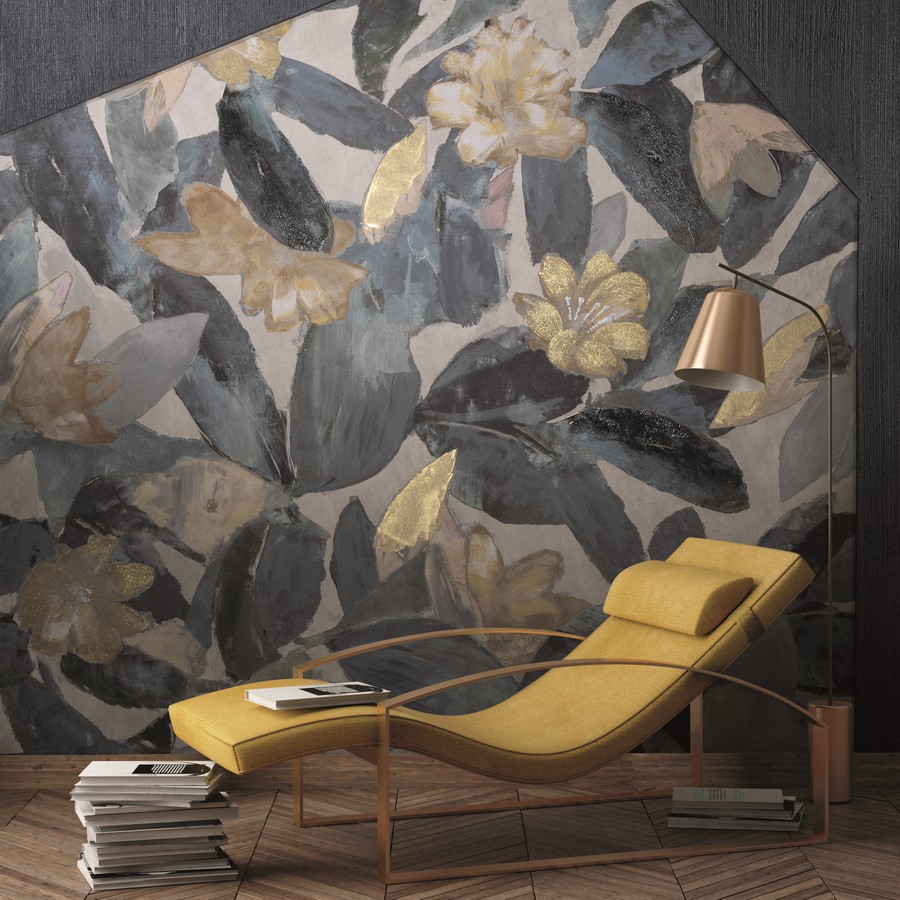
Venetian Plaster Accent Walls: Where and How to Make a Statement
Ready to Transform Your Walls?
Get samples, pricing, or connect with a certified applicator.
Introduction
An accent wall executed with Giorgio Graesan venetian plaster transforms a room from pleasant to memorable. While paint can create an accent wall, the dimensional depth and light-responsive qualities of Giorgio Graesan’s plaster products elevate a statement wall from simple color change to genuine architectural drama. A well-designed venezian plaster accent wall becomes a focal point that invites closer examination and conversation.
The strategic deployment of a venetian plaster accent wall requires thoughtful consideration of placement, color, texture, and how the feature integrates with the room’s overall design. This guide explores where to position venetian plaster accent walls, how to select appropriate colors and finishes from Giorgio Graesan’s product range, and professional techniques that ensure your feature wall delivers maximum impact.
Giorgio Graesan Products Featured
Choose from Giorgio Graesan’s versatile plaster finishes for accent walls: Spatula Stuhhi (3-step polished stucco), Spirito Libero (1060 design stucco), Marmorino 2020 (1090), Istinto/Segui il Tuo Istinto (1070 with endless finish options), or Muro Naturale (1075). Each product is available in 169+ colors, allowing sophisticated accent wall color selection with authentic depth and translucency.
Best Rooms for Venetian Plaster Accent Walls
Different spaces benefit from accent walls in different locations. Understanding which walls naturally serve as focal points helps ensure your accent wall installation feels intentional rather than arbitrary.
Master Bedroom: The Wall Behind the Headboard
The wall opposite the bedroom entry—typically where the bed is positioned—is the natural focal point of the bedroom. Creating a venetian plaster accent wall here is among the most successful accent wall applications because the wall commands visual attention when you enter and when you’re resting in bed.
A warm, sophisticated sage green or dusty rose venetian plaster accent wall in a master bedroom creates an intimate, luxurious retreat. The plaster’s translucent quality means the color appears to glow softly, enhancing the bedroom’s sense of sanctuary. Because this wall serves as the primary visual focal point, the investment in quality plaster application is well justified.
The headboard wall also works well for more dramatic colors—deep charcoal, warm clay, or even muted navy—because the surrounding walls remain neutral, providing visual balance and preventing the room from feeling overwhelming.
Living Room: The Fireplace Wall
In living rooms with fireplaces, the fireplace wall is the natural gathering point and primary focal point. A venetian plaster accent wall here becomes part of the room’s architectural character. Above all in traditional, transitional, or Mediterranean designs, a richly finished venetian plaster accent wall frames the fireplace and makes it feel intentional and sophisticated.
If your fireplace has minimal visual interest, venetian plaster becomes even more valuable. A warm, textured plaster finish in an earth tone or warm white can elevate a simple fireplace into a distinguished architectural feature. The plaster’s depth ensures that even relatively simple fireplace designs appear elevated.
In contemporary living rooms, a dramatic charcoal or deep gray venetian plaster accent wall behind the fireplace creates sophisticated contrast with neutral surrounding walls. This approach works particularly well in open-concept spaces where the fireplace functions as an organizational anchor.
Dining Room: Creating Intentional Drama
The dining room is an excellent venue for more dramatic venetian plaster accent walls because dining spaces are where hospitality, conversation, and gathering occur. A bold accent wall here supports these functions rather than creating visual chaos.
Consider a warm terracotta, deep rust, or even saturated burnt orange venetian plaster accent wall on a dining room feature wall. These colors create appetite appeal, encourage conversation, and make the dining room feel intentional and designed. The translucent qualities of venetian plaster ensure that even warm, saturated colors don’t create a cave-like atmosphere.
A single accent wall painted in warm clay or rust tones can transform a standard dining room into a destination—the room guests remember and comment on. Pair it with complementary artwork, warm lighting, and natural wood furnishings for maximum impact.
Entryway: Making a First Impression
The entryway is where guests form first impressions of your home. A venetian plaster accent wall here immediately signals that you’ve invested in quality and design thoughtfulness. Even in a small entryway, a beautifully finished plaster wall in a sophisticated color creates impact without overwhelming the space.
Warm cream with subtle texture, soft taupe, or elegant charcoal all work beautifully in entryways. The plaster finish itself becomes a design statement—the tactile, dimensional quality of venetian plaster is immediately apparent as guests enter, creating a positive impression before they’ve even moved into main living spaces.
For modern entryways, a cool gray or barely-there white venetian plaster accent wall creates a clean, sophisticated greeting. For traditional homes, warm cream or soft taupe feels welcoming and intentional. The accent wall need not be bold—sometimes the most powerful accent walls are those that communicate thoughtfulness through quality execution rather than dramatic color.
Home Office: Focus and Professionalism
A home office accent wall serves dual purposes—it creates a focused workspace and supports professional atmosphere. Rather than dramatic color, home office accent walls often succeed through sophisticated execution in refined colors.
A deep charcoal, warm taupe, or cool gray venetian plaster accent wall behind a desk creates a professional backdrop for video calls and provides visual grounding for focused work. The textural quality of plaster supports concentration without creating visual stimulation. If your office opens to living spaces, an accent wall helps define the workspace and create psychological separation from relaxation zones.
Some designers specify venetian plaster accent walls in home offices in slightly deeper, more saturated versions of the room’s surrounding colors. This creates subtle emphasis without dramatic contrast, supporting a sense of organized professionalism.
Choosing the Right Wall: Strategic Focal Point Selection
Not every wall is equally suited for accent wall treatment. Successful accent walls live on what designers call “focal point walls”—walls that naturally command visual attention.
Identifying Natural Focal Points
Enter the room and observe where your eyes naturally settle. In bedrooms, this is typically the wall opposite the entry where the bed is positioned. In living rooms, it might be the fireplace wall, the wall facing the primary seating arrangement, or the wall framing a significant window. In dining rooms, it’s often the wall visible from the entry or the wall opposite primary seating.
Avoid placing accent walls on the wall you see first when entering a room unless that wall contains a natural focal point like a fireplace or built-in shelving. An accent wall on a wall you immediately face as you enter can feel confrontational rather than inviting.
Consider Traffic Flow and Sightlines
Think about how people move through and observe the room. An accent wall should be positioned so it’s observed from your most comfortable vantage point—where you rest in a bedroom, where you sit in a living room. This ensures the wall serves its purpose of creating a destination or focal point.
A wall that’s only visible when you’re passing through is a poor candidate for accent treatment. The visual impact is diminished, and the accent wall may feel arbitrary rather than intentional.
Evaluate Wall Dimensions
Accent walls work best on walls that have visual significance—either through size, the presence of architectural features, or strategic positioning. A small accent wall in a corner often appears awkward. A substantial wall that commands attention is better suited for a feature finish.
Consider wall proportions. In rooms with very high ceilings, accent walls on vertical walls emphasize height. In rooms with long, open walls, a single accent wall creates visual interest without fragmentation. Avoid breaking up complex wall surfaces (multiple doors and windows) with accent wall color—simpler, more visually coherent walls are better choices.
Design Considerations for Successful Accent Walls
Creating an effective venetian plaster accent wall requires balancing color, texture, and integration with surrounding design elements.
Color Contrast and Harmony
The most impactful accent walls feature clear color distinction from surrounding walls. If surrounding walls are warm white, an accent wall might be warm clay, sage green, or charcoal. The contrast makes the feature wall visually distinct while remaining harmonious with overall design.
However, successful accent walls need not be boldly contrasting. A sophisticated approach involves selecting an accent wall color that’s slightly deeper, more saturated, or has different undertones than surrounding walls. A room with warm white walls might have an accent wall in deeper warm taupe. The distinction is clear without being jarring.
Avoid selecting accent wall colors that clash with surrounding colors. If your walls are cool gray, a warm terracotta accent wall may feel disconnected rather than intentional. Ensure color harmony—all colors should feel part of the same palette.
Texture Selection and Movement
The texture of your venetian plaster accent wall should complement but potentially differ from walls throughout the room. A smooth, refined plaster finish creates sophistication. A more textured finish with visible movement creates visual interest and tactile appeal.
Many designers specify slightly more texture or movement in accent wall plaster than in surrounding walls. This creates visual distinction—the accent wall appears more finished and intentional—without creating discord. The play of light across textured plaster makes the feature wall genuinely beautiful to observe at various distances and angles.
In contemporary spaces, smooth, polished plaster works beautifully. In traditional or Mediterranean spaces, slightly more texture communicates authenticity and craftsmanship. Your texture selection should align with your overall design aesthetic.
Turning Corners Strategically
An important consideration: should your venetian plaster accent wall color continue around corners or terminate cleanly on a single wall face?
The most sophisticated approach is often to terminate the plaster color on a single wall, allowing adjacent walls to return to the base color. This creates a distinct architectural frame. However, some spaces benefit from the plaster color turning one corner, creating an L-shaped feature. Rarely do successful accent walls wrap around multiple walls—this often violates the “accent” concept, turning into an entire room color change.
Discuss this with your plaster applicator before installation. The turning of corners should appear intentional and should be planned into the application sequence to ensure seamless transitions.
Complementary Decor and Design Elements
A venetian plaster accent wall works best when supported by complementary design decisions.
Furniture Placement and Arrangement
Position furniture to take advantage of your accent wall. If you’ve specified a sophisticated plaster accent wall behind a bed, furniture arrangement should emphasize this. The bed becomes a focal point that the accent wall frames and enhances.
In living rooms with accent walls, arrange seating to face the feature wall (if it’s the fireplace) or arrange it so the accent wall is the primary visual destination from your seated position. This ensures the accent wall serves its intended purpose—creating a focal point that draws and holds visual attention.
Lighting Design
Accent lighting makes venetian plaster accent walls genuinely extraordinary. Consider how accent lighting will enhance the plaster’s three-dimensional qualities.
Uplighting (lights directed upward on the wall) highlights the texture and surface variation of plaster, making the dimensional qualities apparent. Recessed ceiling lights provide general illumination. Some designers specify picture lights or accent lighting specifically designed to highlight the feature wall without creating glare or shadows.
Ensure accent lighting doesn’t create harsh shadows or dramatic contrast that makes adjacent walls feel dark by comparison. The goal is to draw attention to the accent wall while maintaining visual balance throughout the room.
Artwork and Accessories
Curate artwork and accessories thoughtfully in relation to your accent wall. In many cases, less is more—a single, significant piece of artwork above furniture positioned in front of the accent wall often works better than multiple pieces. The artwork should complement the wall color without competing for attention.
Accessory placement should also consider the accent wall. Avoid clustering too many objects in front of the feature wall, which can make it feel busy and fragmented. Simple, curated placement of significant pieces creates sophistication.
Cost Considerations: Accent Wall vs. Full Room
Understanding cost implications helps with project planning and budget allocation.
Material Costs
A single venetian plaster accent wall typically costs $15-40 per square foot for professional application, depending on plaster type, finish complexity, and regional labor rates. A 12’x10’ accent wall (120 square feet) would cost approximately $1,800-4,800.
For comparison, painting the same wall with quality paint costs $2-8 per square foot, or $240-960 for the same area. The plaster investment is significantly higher, but the visual return justifies the cost. The plaster will last 20+ years compared to paint’s 5-7 year lifespan.
Finishing an entire room with venetian plaster (all four walls) costs $1,800-9,600+ depending on room size and finish. A single accent wall provides dramatic impact at a fraction of the full-room cost.
Labor and Timeline
Professional application of a venetian plaster accent wall requires 2-4 days, depending on wall size and plaster type. Paint preparation, primer, basecoat, finish coats, and curing all require time. Plan for the space to be partially inaccessible during application.
A full-room plaster installation requires 5-7 days. A single accent wall is significantly faster and less disruptive, making it practical for occupied homes and spaces that need to remain functional.
The DIY Accent Wall Question
Can you apply a venetian plaster accent wall yourself? The honest answer: maybe, depending on your skill level and patience.
Realistic DIY Expectations
Venetian plaster application rewards practice and technique development. Your first accent wall may not achieve the refined sophistication of professional work. However, simple finishes—such as lime wash or single-color Roman clay—are more forgiving than complex multi-layer marmorino or grassello finishes.
If you’re committed to learning and willing to accept imperfections, a DIY accent wall in a room where subtle variations read as rustic charm (dining rooms, Mediterranean-style spaces) may succeed. Bedrooms, where refined sophistication matters more, often benefit from professional application.
Common DIY Mistakes to Avoid
The most frequent DIY problems include visible trowel marks, inconsistent texture, areas where underlying paint shows through, and color variation between sections. These issues typically result from insufficient plaster application, inconsistent technique, or inadequate surface preparation.
Professional applicators avoid these problems through years of practice, proper tool selection, understanding material behavior, and systematic technique refinement.
When to Call a Professional
For accent walls where refined sophistication is critical, professional application ensures results that justify the investment. If your accent wall is designed to be a statement piece that guests will observe carefully, professional installation makes sense. If you’re uncertain about your skills, a professional ensures you won’t waste material and time on an unsatisfactory result.
Professional Tips for Seamless Results
Qualified venetian plaster applicators employ techniques that ensure superior results.
Surface Preparation is Paramount
The most critical step happens before plaster application begins. The wall surface must be properly prepared—any existing paint must be removed or adequately sealed, the surface must be smooth and free of imperfections, and primer must be applied correctly. Improper surface preparation causes plaster adhesion issues and visible imperfections.
Professional applicators invest considerable time in surface preparation. They understand that a beautifully applied plaster finish is only possible when the substrate is properly prepared.
Tool Selection and Technique
The trowels, application techniques, and material consistency matter tremendously. Professional applicators have refined tool collections and understand how different trowels create different effects. They understand how to manipulate plaster viscosity, how to apply consistent pressure, and how to blend application areas seamlessly.
This expertise develops through years of practice. Professional results reflect years of technique refinement rather than simply following instructions.
Application Sequence and Timing
The order of plaster application, drying times between coats, and final sealing all significantly impact results. Professional applicators understand optimal timing—when plaster has cured sufficiently for the next application, when to apply final finishing techniques, and how to avoid cracking and adhesion failure.
Rushing the process—applying subsequent coats before adequate curing—often results in failure. Professionals understand that venetian plaster installation is not rushed; it’s a methodical process that unfolds over several days.
Environmental Considerations
Temperature, humidity, and air circulation all affect plaster curing and final appearance. Professional applicators adjust their work based on environmental conditions. They may control job site conditions to optimize curing, they understand how weather changes affect application, and they know when conditions are not conducive to plaster work.
Making Your Statement: The Accent Wall Strategy
A well-designed venetian plaster accent wall makes a sophisticated statement without overwhelming the space. The key is strategic selection—choosing the right wall, the right color, appropriate texture, and ensuring the accent wall aligns with your overall design vision.
An accent wall should feel like a deliberate design decision, not a last-minute addition. When you look at your accent wall, you should feel it’s exactly where it should be and exactly the right color and finish for the room.
Bringing Your Vision to Life
When you’re ready to create a venetian plaster accent wall, consult with qualified professionals who understand Giorgio Graesan product application, color theory, and design integration. The right professional partnership ensures your accent wall vision becomes a reality that exceeds expectations.
Explore Giorgio Graesan’s complete venetian plaster product range through Muro d’Arte—including Spatula Stuhhi, Spirito Libero, Marmorino 2020, Muro Naturale, and Istinto—to discover the finishes and colors that will make your accent wall statement truly distinctive. From sophisticated earth tones to contemporary grays to trending colors, Giorgio Graesan products in their 169+ color options provide the foundation for beautiful, enduring accent wall installations that transform rooms into memorable spaces.