
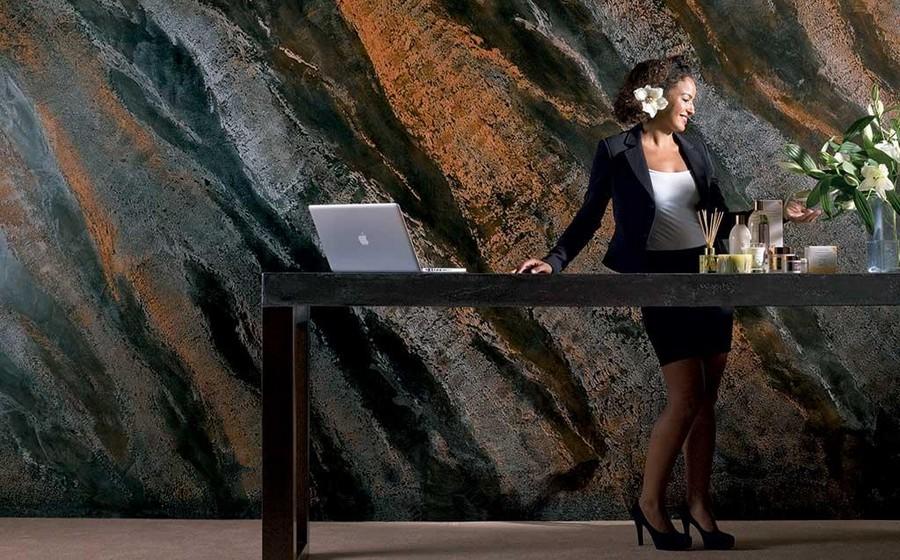
What Is Microcement? A Modern Alternative to Traditional Tiles
Ready to Transform Your Walls?
Get samples, pricing, or connect with a certified applicator.
Introduction
Microcement represents a modern evolution in surface finishing, transforming how designers approach floors, walls, countertops, and architectural elements. This thin, durable overlay creates seamless, sculptural surfaces that offer an industrial-modern aesthetic with sophisticated functionality. If you’re exploring alternatives to traditional tiles or considering a contemporary update to conventional materials, understanding microcement—what it is, how it performs, and where it succeeds—is essential.
Microcement isn’t quite paint, it’s not exactly plaster, and it’s fundamentally different from tiles despite often replacing them. This guide demystifies microcement, explores its applications, discusses realistic advantages and limitations, and helps you determine whether microcement is the right choice for your specific project.
What Is Microcement?
Microcement is a thin cement-based coating composed of cement, fine aggregates, resins, and pigments. The mixture creates a paste that’s typically applied at 2-3mm thickness (about the thickness of a credit card) directly over existing surfaces. After application, the material hardens into a durable, monolithic finish.
Composition and Properties
Unlike traditional cement, which is much thicker and requires extensive substrate preparation, microcement uses a refined formula optimized for thin-layer application. The resin component—typically polymer-based—gives microcement flexibility and adhesion properties that pure cement lacks. This resin allows microcement to bond securely to existing surfaces and to move slightly without cracking, making it more resilient than rigid cement.
The fine aggregates in microcement create a tight, smooth texture without large stone particles. This results in a finish that’s visually and tactilely refined compared to conventional cement. Pigments added during manufacturing create color throughout the material—if the surface is scratched or damaged, the color remains consistent, unlike surface-applied paints that chip away revealing different materials beneath.
Visual Characteristics
Microcement has a distinctive aesthetic—contemporary, understated, and industrial-modern. The surface is typically smooth and matte, though textured variations and subtle sheen finishes are available. The monolithic nature of microcement means you see no grout lines, no seams, no visual interruptions. In bathrooms or kitchens, this creates a radically different visual experience compared to traditional tile applications.
The material has a minimalist quality—the finish is not glossy or reflective, but rather absorbs light in a sophisticated, understated way. This aesthetic has become synonymous with contemporary luxury design, making microcement particularly popular among designers seeking modern, high-end interiors.
Microcement vs. Venetian Plaster: Understanding the Key Differences
While both microcement and venetian plaster are applied in layers and create smooth, finished surfaces, they’re fundamentally different materials with distinct applications.
Material Composition
Venetian plaster is lime-based—composed of lime, marble dust, and other natural materials. It’s been used for centuries, with its roots in Venetian tradition. Microcement is cement-based—composed of Portland cement, fine aggregates, and synthetic resins. It’s a modern material developed within the last two decades.
This fundamental difference affects how each material performs, where it can be applied, and what aesthetic it achieves. Understanding this distinction is crucial for selecting the right material for your application.
Application Surfaces
Venetian plaster is primarily designed for walls. While it can technically be applied to some horizontal surfaces, it’s not ideal for floors or areas with moisture and heavy traffic. Its lime-based composition makes it naturally breathable but also somewhat fragile in high-moisture environments.
Microcement is more versatile. It’s designed for application on walls, floors, countertops, shower interiors, bathroom surfaces, furniture, and even pool decks. The cement-based composition and resin content make it durable for horizontal surfaces and moisture-prone areas. This versatility is one of microcement’s primary advantages over plaster.
Aesthetic Differences
Venetian plaster is translucent in lighter shades, creating a glowing quality with depth and dimension. It has a sophisticated, refined appearance that communicates luxury and European tradition. Microcement is typically opaque, with a more minimalist, industrial aesthetic. It looks modern, sleek, and contemporary.
Venetian plaster works beautifully in traditional, transitional, and Mediterranean design styles. Microcement belongs in contemporary, industrial, Scandinavian, and minimalist interiors. The visual language of each material is distinctly different.
Longevity and Maintenance
Venetian plaster lasts 15-25+ years with proper care and maintenance. It requires periodic sealing and careful handling to avoid damage. Microcement lasts 10-15+ years but is generally more durable in high-traffic and moisture-prone areas. Microcement in bathrooms with proper maintenance can last 15+ years, whereas plaster in these environments requires more careful management.
Both materials require quality sealing, but microcement’s durability in wet environments makes it more practical for bathroom applications than venetian plaster.
Microcement Applications: Where It Works Best
Understanding where microcement excels helps determine whether it’s appropriate for your project.
Bathroom Floors and Walls
Microcement bathrooms have become increasingly popular in contemporary design. The seamless surface is hygienic, easy to maintain, and creates a spa-like aesthetic that resonates with wellness-conscious homeowners. A microcement bathroom floor eliminates grout lines and the dark mold accumulation associated with tile grout.
Bathroom walls finished in microcement create sculptural, gallery-like spaces. A microcement shower interior is particularly striking—seamless walls without grout lines feel contemporary and luxurious. The material’s waterproof properties (when properly sealed) make it suitable for wet areas.
However, microcement bathrooms require meticulous design and specification. The substrate must be properly prepared, waterproofing membranes must be correctly installed, and grout lines cannot simply be eliminated without addressing the actual water management requirements that grout serves. Improper installation can lead to water infiltration and damage.
Kitchen Countertops
Microcement countertops offer a contemporary alternative to granite, marble, or tile. The seamless surface is hygienic and easy to maintain. Microcement countertops can extend as a continuous surface onto walls, creating an integrated design.
Unlike wood countertops, microcement is highly durable and heat-resistant. Unlike tile, there are no grout lines to accumulate bacteria or stains. The industrial-modern aesthetic supports contemporary kitchen design.
Microcement countertops do require sealing and careful maintenance. They can stain if acidic liquids (lemon juice, wine) are left sitting. They can be scratched by coarse particles. They’re not as forgiving as sealed granite, but with understanding and proper care, they develop character over time—scratches and marks accumulate, creating a patina that some designers find appealing.
Flooring
Microcement flooring creates sculptural, continuous surfaces with minimal visual interruption. In open-concept homes, microcement flooring can unify spaces and create a gallery-like aesthetic. The monolithic quality supports minimalist design.
Microcement flooring works particularly well in contemporary apartments, lofts, and minimalist homes. The industrial aesthetic aligns with these design languages. In traditional homes, microcement typically doesn’t belong—it’s visually and conceptually discordant with conventional aesthetics.
Microcement flooring requires proper substrate preparation and can be slippery when wet, requiring anti-slip treatments in bathrooms and kitchens. It’s also more labor-intensive to install than tile, requiring experienced applicators.
Furniture and Decorative Elements
Microcement can be applied to furniture surfaces, creating a unified aesthetic. Tables, shelves, and cabinetry can be given microcement finishes, extending the material’s visual language throughout a space. This application showcases microcement’s versatility and design potential.
Pool Decks
Microcement pool decks eliminate grout lines and create seamless surfaces that are both beautiful and practical. The material is sufficiently durable for pool environments and provides anti-slip properties when textured appropriately. Pool decks finished in microcement have a contemporary, resort-like quality.
Microcement Advantages: Why Designers Specify It
Microcement has grown in popularity because it offers genuine advantages for specific applications.
Ultra-Thin Application Over Existing Surfaces
Microcement can be applied directly over existing tiles, concrete, or properly prepared drywall at only 2-3mm thickness. This means you can transform a dated tiled bathroom or kitchen without the labor-intensive and disruptive process of removing tiles and substrate.
This application capability makes microcement economical for renovations. Rather than gutting a space and rebuilding, you can simply apply microcement as an overlay. The finished space emerges with minimal structural changes.
Seamless, Monolithic Quality
The monolithic surface of microcement eliminates grout lines and seams. This creates a visual cleanliness and sophistication that tiles cannot match. A microcement floor is unified rather than fragmented. A microcement shower has no grout lines where mold accumulates.
This seamless quality appeals to contemporary sensibilities and supports minimalist design. It also provides practical benefits—fewer places for bacteria to accumulate, easier to clean and maintain.
Design Flexibility
Microcement can be applied to virtually any surface—walls, floors, countertops, furniture. This flexibility allows designers to create unified interiors where all surfaces share a consistent aesthetic. An entire bathroom or kitchen can be finished in microcement, creating integrated, gallery-like spaces.
Color options have expanded significantly, and textured finishes are available alongside smooth surfaces. This design flexibility supports diverse aesthetic visions.
Contemporary, Minimalist Aesthetic
For designers seeking modern, high-end interiors, microcement’s industrial-minimalist aesthetic is ideal. It communicates quality, intentional design, and contemporary luxury without ornamentation or visual complexity. In minimalist interiors, this understated elegance is exactly right.
Microcement Limitations: The Reality Check
Microcement isn’t a universal solution. Understanding its limitations prevents problematic installations.
Skilled Application Required
Microcement application is genuinely difficult. It requires experienced applicators who understand material behavior, proper technique, and how to achieve uniform color and texture. Poor application results in visible streaks, color variation, and obvious trowel marks.
Unlike tile, which can mask substrate imperfections, microcement reveals every imperfection in the underlying surface. The substrate must be nearly perfect—properly prepared, sealed, and leveled—before microcement application begins.
Finding qualified microcement applicators is more challenging than finding tile or paint contractors. The learning curve is significant, and it’s a specialty that experienced general contractors may not possess.
Cracking Risk Without Proper Substrate Preparation
Microcement is more prone to cracking than one might expect. This occurs when the substrate hasn’t been properly prepared, when movement or settlement occurs, or when environmental conditions cause expansion/contraction. A crack in microcement is more noticeable than a single cracked tile—it can span across the entire surface.
Preventing cracks requires meticulous substrate preparation, appropriate primer application, flexible primers in some situations, and understanding material limitations. In high-movement environments or where structural settlement is possible, microcement may not be appropriate.
Maintenance and Care Requirements
Microcement requires sealing and regular maintenance. The surface can stain, especially in kitchens where acidic or oily liquids can penetrate. Scratches accumulate, and while some designers appreciate the patina, others find it disappointing.
Sealer application must be repeated periodically—typically every 2-3 years in heavy-use areas. Without proper sealing, microcement becomes increasingly porous and vulnerable to staining.
Cost Considerations
Microcement flooring costs $15-40+ per square foot installed, compared to $5-15 per square foot for tile. The labor-intensive application process and scarcity of experienced applicators drive costs higher. While microcement costs less than high-end natural stone, it’s more expensive than tile.
For larger surface areas, these costs accumulate significantly. A kitchen island covered in microcement might cost $1,500-3,000. The same surface in tile might cost $400-800.
Microcement vs. Tiles: When Microcement Wins
While tiles remain practical and durable for kitchens and bathrooms, microcement offers specific advantages that make it preferable for certain applications.
Visual Cohesion
Microcement creates unified, seamless surfaces. Tiles, by nature, fragment surfaces with grout lines. In contemporary minimalist spaces, microcement’s monolithic quality creates superior visual cohesion.
Easier Cleaning (in theory)
Without grout lines, microcement surfaces have fewer places for bacteria and mold to accumulate. Theoretically, cleaning is simpler. Practically, if microcement is improperly sealed, it becomes porous and stains accumulate, making cleaning more difficult than tile.
Contemporary Aesthetic
For designers committed to contemporary, industrial, or minimalist styles, microcement’s aesthetic is ideal. Tiles, even high-end tiles, read as more traditional.
Design Flexibility
Microcement can be curved, sculptural, and fully integrated with walls. Tiles are modular units that create visual fragmentation. For spaces where sculptural, integrated surfaces are desired, microcement excels.
Microcement Cost Analysis
Understanding microcement costs helps with project planning and budget allocation.
Material and Labor Costs
Professional microcement installation typically costs $15-40+ per square foot, depending on surface complexity, location, and applicator experience. This includes material (cement, primer, sealer) and skilled labor.
A 12’x12’ kitchen finishes approximately $2,160-5,760. A master bathroom (200 sq ft) costs $3,000-8,000+. These prices far exceed tile costs but are comparable to high-end natural stone.
Long-Term Value
Microcement, properly applied and maintained, lasts 10-15 years before significant re-sealing or refinishing is required. Some surfaces last longer. Tile typically lasts indefinitely but requires grout maintenance.
The long-term value calculation depends on maintenance commitment. Well-maintained microcement can be economical. Neglected microcement deteriorates more rapidly than tile.
Microcement Maintenance: What to Expect
Realistic understanding of maintenance requirements prevents disappointment.
Sealing and Resealing
Quality microcement sealing is essential and must be completed by experienced professionals. The sealer provides the water and stain resistance that makes microcement functional in kitchens and bathrooms.
Resealing should occur every 2-3 years in heavy-use areas, every 3-5 years in light-use areas. This is more frequent than most homeowners anticipate. Failure to reseal results in progressive deterioration.
Scratch and Stain Accumulation
Microcement is vulnerable to scratching from abrasive particles and to staining from acidic and oily substances. Regular cleaning is important, but accumulation of minor damage is inevitable. Some designers embrace this patina; others find it disappointing.
Avoiding Damage
Protect microcement from: direct sunlight (which can cause uneven fading), extreme temperature fluctuations (which cause expansion/contraction and cracking), impact damage (edges are vulnerable), harsh chemicals (which damage sealer), and standing water (which compromises the seal).
Popular Microcement Aesthetic Styles
Microcement aligns with specific design languages.
Industrial Modern
Raw, minimalist industrial aesthetics naturally incorporate microcement. Exposed concrete aesthetic without actual concrete—microcement provides this look with superior durability and aesthetic control. Neutral grays, soft blacks, and understated finishes support industrial style.
Scandinavian Minimalism
Scandinavian design’s emphasis on minimalism, functionality, and simplicity aligns perfectly with microcement. The material’s understated, unornamented aesthetic supports this design language. Soft grays, warm whites, and pale naturals are popular in Scandinavian microcement applications.
Mediterranean Contemporary
Contemporary Mediterranean design—updating traditional Mediterranean aesthetics with modern materials—incorporates microcement as a modern alternative to traditional plaster. Warm earth tones and subtle texture create contemporary Mediterranean spaces.
Giorgio Graesan Products for Modern Finishes
While Giorgio Graesan specializes in authentic lime-based venetian plasters, they understand contemporary design demands. For homeowners seeking modern alternatives to traditional plaster finishes, Giorgio Graesan’s lime-based products can be adapted with modern application techniques, or their partner network can recommend complementary modern finishes that align with Italian craftsmanship standards.
Giorgio Graesan’s core strength remains authentic venetian plaster traditions—products like Spatula Stuhhi, Spirito Libero, Marmorino 2020, and Istinto—which deliver contemporary aesthetics while maintaining the quality, breathability, and durability that define true luxury finishes.
Is Microcement Right for Your Project?
Microcement succeeds when:
- You want contemporary, minimalist aesthetics
- You prefer monolithic surfaces without grout lines
- You’re willing to engage experienced applicators
- You commit to proper maintenance and sealing
- Your substrate can be properly prepared
- You understand and accept microcement’s limitations
Microcement may not be appropriate if:
- You prefer traditional, classic, or transitional design
- You’re budget-conscious and cost-sensitive
- You cannot commit to regular maintenance
- Your space experiences significant settlement or movement
- You want the most forgiving, lowest-maintenance surface
Conclusion
Microcement represents genuine innovation in surface finishing, offering an alternative to conventional tiles and plaster that aligns with contemporary design sensibilities. It’s not universally superior to tiles or plaster—rather, it’s optimal for specific applications and design visions.
When properly specified, applied by experienced professionals, and maintained conscientiously, microcement creates distinctive, beautiful surfaces that enhance contemporary interiors. When neglected or installed incorrectly, it disappoints.
Approach microcement projects with clear understanding of what the material is, what it offers, and what it requires. Partner with experienced professionals who understand installation nuances. Commit to proper maintenance. With these considerations, microcement delivers sophisticated, contemporary surfaces that justify their investment.
Explore Giorgio Graesan’s microcement solutions through Muro d’Arte to discover how this modern material can transform your contemporary design vision into reality.