
Mediterranean Interior Design: Authentic Italian Plaster Finishes
Ready to Transform Your Walls?
Get samples, pricing, or connect with a certified applicator.
Introduction
Mediterranean design draws its soul from geography—the sun-drenched coasts of southern Europe, the weathered buildings of Italian hill towns, the timeless aesthetic of spaces shaped by centuries of human habitation. At the heart of authentic Mediterranean interiors is a single material: plaster. Not modern plaster applied uniformly and sealed to perfection, but time-honored plaster techniques developed across generations in Italy, Spain, Portugal, and beyond.
Genuine Mediterranean design isn’t achieved through superficial imitation—faux finishes and manufactured rusticity cannot capture the authentic aesthetic. Instead, it emerges from understanding the regional traditions, the specific plaster techniques developed across Mediterranean cultures, and the honest materials that define these enduring design languages. This guide explores how to create authentic Mediterranean interiors through genuine Giorgio Graesan plaster finishes inspired by regional traditions.
Giorgio Graesan Products Featured
Giorgio Graesan’s plaster products embody Mediterranean tradition and authentic Italian craftsmanship. Their complete product range—including Spatula Stuhhi (polished Venetian plaster), Spirito Libero (design stucco), Marmorino 2020 (classical Venetian), Muro Naturale (for varied Mediterranean applications), and Istinto/Segui il Tuo Istinto (with endless finish options)—provides the authentic foundation for Mediterranean interior design across all regional traditions.
The Mediterranean Aesthetic: Connection to Land and History
Mediterranean design emerges from climate, geography, and history shaped by centuries of human settlement. Understanding this context reveals why plaster is not merely a wall finish but the essential material of Mediterranean identity.
The Philosophy of Honest Materials
Mediterranean cultures have historically built with what the land provided—local stone, natural lime, earth pigments, and plaster made from these materials. This pragmatic relationship with materials evolved into aesthetic principle: beauty emerges from honest material expression rather than applied decoration.
A Mediterranean plaster wall isn’t beautiful because it mimics something else—it’s beautiful because it authentically expresses the material, technique, and regional tradition. The subtle color variation in a terracotta-toned plaster, the slightly irregular surface from hand-applied finish, the patina developed through years of weathering—these are the sources of beauty.
This philosophy contrasts sharply with contemporary desire for uniformity and perfection. Mediterranean design embraces imperfection as character, irregularity as authenticity, and age as beauty. A hand-finished plaster wall developed over years is more beautiful than a perfect, uniformly sealed surface.
Connection to Place and Climate
Mediterranean design developed in response to intense sun, heat, and the need for thermal mass that moderates temperature extremes. Light-colored plaster reflects sunlight and heat. Thick plaster walls provide thermal mass. These practical responses to climate became the aesthetic foundation of Mediterranean design.
The warm, cream, ochre, and terracotta tones of Mediterranean plaster developed because these colors are created by earth pigments and local materials. The colors emerge from place—they’re not arbitrary choices but expressions of local geology and traditional materials.
When creating Mediterranean interiors, choosing colors and materials authentic to the region strengthens the design’s integrity. A Mediterranean interior finished in authentic earth tone plaster feels genuinely rooted in place rather than decorated in Mediterranean style.
Plaster Techniques by Mediterranean Region
Different Mediterranean regions developed distinctive plaster traditions reflecting local materials, climate, and cultural values.
Venetian Polished Plaster: Northern Italy
Venetian plaster, originating in Venice and throughout northern Italy, represents the refined end of Mediterranean plaster traditions. These polished finishes—marmorino and grassello—use marble dust and lime to create sophisticated, refined surfaces that became favored throughout Europe.
Venetian polished plaster is characterized by smooth, refined finish with subtle sheen and dimensional quality. The colors are typically pale—cream, soft white, barely-there beiges—and the effect is elegant, sophisticated, and intentionally refined rather than rustic.
Contemporary Mediterranean interiors often incorporate Venetian polished plaster alongside more rustic regional finishes, creating sophistication within an otherwise earth-connected aesthetic. A master bedroom or formal dining room might feature refined Venetian polish while more casual spaces employ rustic regional finishes.
Tuscan Rustic Plaster: Central Italy
Tuscan design celebrates rustic authenticity—thick plaster walls with hand-finished surfaces, color variation suggesting age and weathering, and texture that rewards close observation. Tuscan plaster finishes are less refined than Venetian polishing but deeply sophisticated in their comfort and authenticity.
Tuscan colors tend toward warm earth tones—warm creams, soft terracottas, ochres, and warm taupes. These colors developed from local iron oxide pigments and natural materials. The plaster surfaces often show variation—slightly darker color in recessed areas, lighter on projecting surfaces—creating sculptural quality.
Tuscan plaster interiors communicate warmth, welcome, and time-honored tradition. Rooms finished in authentic Tuscan plaster feel lived-in and genuinely comfortable rather than designer-decorated. This authenticity is precisely what appeals to contemporary homeowners seeking Mediterranean aesthetic.
Roman Travertine Effect: Rome and Central Italy
Roman plaster traditions sometimes created surfaces evoking travertine stone—pale cream or white plaster with subtle color variation and surface texture suggesting age. These finishes create elegant, sophisticated backdrop that works in both classical and contemporary contexts.
Roman travertine-effect plaster maintains the warmth of Mediterranean tradition while providing refined backdrop appropriate for fine art and classical furnishings. This technique appears frequently in Mediterranean-inspired fine dining restaurants and upscale residential spaces.
Amalfi Coast Whitewash: Southern Italy and Coastal Regions
The brilliant white or barely-cream plaster of southern Italian coastal regions developed as response to intense Mediterranean sun. These simplified whitewash finishes—lime-based plaster with minimal pigment—create the iconic aesthetic of Mediterranean coastal villages.
Amalfi whitewash is often applied more roughly than northern Italian techniques, celebrating the hand-application marks and slight irregularities rather than attempting to conceal them. The result is bright, cheerful, and refreshingly simple—the aesthetic of humble Mediterranean village architecture.
Contemporary Mediterranean homes often incorporate Amalfi-inspired whitewash in kitchens, casual dining areas, and guest spaces, creating authentic coastal resort aesthetic. The simplicity and brightness of these finishes make them feel refreshing and optimistic.
Color Palettes: Authentic Mediterranean Spectrum
Authentic Mediterranean colors derive from regional earth pigments and local materials rather than contemporary color trends.
Ochre: The Classic Mediterranean Earth Tone
Ochre—a natural iron oxide pigment—is fundamental to Mediterranean color palette. Ranging from pale golden cream to rich burnt orange, ochre connects Mediterranean design to earth and creates the warm, sun-kissed aesthetic characteristic of Mediterranean regions.
Pale ochre plaster on walls paired with natural wood furnishings, terracotta accessories, and warm lighting creates quintessentially Mediterranean interior. The color feels connected to earth, ancient tradition, and sun-warmed landscapes.
Terracotta: Warmth and Earthiness
Terracotta—literally “baked earth”—represents the warmth and earthiness of Mediterranean tradition. Plaster finished in warm terracotta tones creates inviting, comfortable atmospheres that communicate hospitality and tradition.
Terracotta plaster works beautifully in dining rooms, kitchens, and gathering spaces where warmth and conviviality are desired. The color encourages appetite and promotes social gathering.
Cream and Warm White: Timeless Foundation
Soft cream or barely-warm white plaster provides versatile foundation for Mediterranean interiors. These neutral tones allow furnishings and decorative elements to command attention while providing sophisticated backdrop.
Northern Italian influenced Mediterranean designs frequently employ cream and warm white plaster. These colors photograph beautifully, work in both traditional and contemporary contexts, and provide timeless aesthetic that endures beyond trends.
Sage and Soft Green: Connection to Vegetation
Soft, muted sage green appears in Mediterranean design, inspired by olive foliage and Mediterranean vegetation. Sage green plaster creates connection to natural landscape while providing sophisticated, slightly unexpected color choice.
Sage green plaster appears increasingly in contemporary Mediterranean homes, creating wellness-oriented environments that connect to nature while maintaining traditional aesthetic.
Venetian Blue: Subtle Maritime Connection
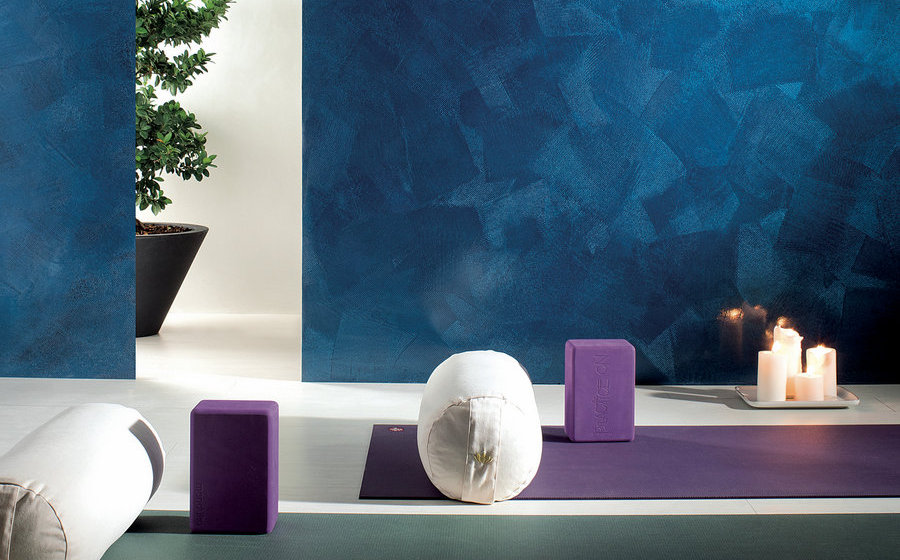
Soft, muted blue—inspired by Mediterranean waters and sky—appears occasionally in Mediterranean design, particularly in coastal regions. This isn’t bright, vivid blue but rather subdued, sophisticated blue that references maritime connection without dominating the space.
Venetian blue plaster in modest applications—perhaps on a single wall or in a specific room—creates connection to coastal Mediterranean tradition while maintaining sophisticated restraint.
Complementary Materials and Integration
Authentic Mediterranean interiors integrate plaster with complementary traditional materials.
Terracotta and Clay Flooring
Mediterranean design typically incorporates clay tile or terracotta flooring. The warmth and earthiness of terracotta tile complements warm plaster walls, creating unified, earth-connected environment. The texture and slight color variation of traditional terracotta mirrors the character of plaster finishes.
Contemporary Mediterranean homes often maintain traditional terracotta or clay tile flooring as foundation for the design aesthetic, with plaster walls providing color and texture continuity.
Natural Wood Elements
Exposed wood beams, wooden doors, and wooden furnishings are essential to Mediterranean design. The warmth of natural wood complements warm plaster tones. The combination of warm plaster and natural wood creates authenticity and connection to Mediterranean building tradition.
Natural wood—whether in ceiling beams, cabinetry, or furnishings—should be visible and celebrated rather than hidden. The honest expression of wood and plaster together communicates Mediterranean design philosophy.
Wrought Iron and Stone
Wrought iron accents—handrails, lighting fixtures, architectural details—add sophistication to Mediterranean interiors. Stone elements—including natural stone countertops, marble accents, or stone tile—provide contrast and textural variety.
These materials, combined with warm plaster walls, create rich, textured interiors where honest materials speak clearly. The interplay of different materials—warm plaster, cool stone, dark iron, warm wood—creates visual interest and authenticity.
Modern Mediterranean: Updating Tradition for Contemporary Living
Contemporary Mediterranean design updates regional traditions for modern life without sacrificing authenticity.
Minimalist Mediterranean
Minimalist Mediterranean combines sophisticated Mediterranean tradition with contemporary minimalism. Rooms are simplified—fewer furnishings, less decoration—but finished in authentic Mediterranean materials and colors. The result is uncluttered, refined, and timelessly beautiful.
A minimalist Mediterranean living room might feature warm cream plaster walls, natural wood flooring or clay tile, minimal furnishings, and perhaps a single significant art piece or architectural feature. The sophistication emerges from material quality and simplicity rather than accumulated decoration.
Contemporary Mediterranean with Modern Furnishings
Contemporary Mediterranean interiors pair authentic plaster and traditional materials with modern furnishings. The result honors Mediterranean tradition while functioning as genuinely contemporary home. Modern sofas, contemporary lighting, and current art appear against authentic Mediterranean backdrops.
This approach allows homeowners to appreciate Mediterranean aesthetic while maintaining contemporary comfort and function. The authentic backdrop provides timeless foundation that accommodates changing furnishings and evolving personal style.
Mediterranean with Biophilic Integration
Contemporary wellness-focused Mediterranean incorporates biophilic principles—plants, natural light, connection to nature. This updates Mediterranean tradition (which always connected to landscape and climate) with contemporary understanding of how natural elements support wellbeing.
Mediterranean interiors with abundant plants, natural materials, warm light, and authentic plaster finishes create genuinely healthy, restorative environments. The combination of Mediterranean warmth with biophilic design principles creates spaces where people truly thrive.
The Importance of Authenticity
Authentic Mediterranean design doesn’t emerge from faux finishes or manufactured rusticity. Instead, it requires genuine understanding of regional traditions and commitment to authentic materials and techniques.
Why Authentic Plaster Matters
Genuine Mediterranean aesthetic emerges from authentic plaster—lime-based finishes applied using traditional techniques with natural pigments. This authenticity isn’t snobbishness; it’s recognition that authentic materials develop character and patina that manufactured finishes cannot achieve.
An authentic plaster wall applied using traditional techniques will develop subtle variations in color and texture as it ages and weathers. These variations enhance beauty and communicate genuine antiquity. A faux finish attempting to simulate age cannot capture this authentic development.
Regional Integrity
Mediterranean design achieves integrity when it’s rooted in specific regional tradition rather than generic “Mediterranean” aesthetic. A Tuscan interior should reflect Tuscan traditions—not combine Tuscan, Greek, and Spanish influences indiscriminately.
Understanding and respecting specific regional traditions—Venetian, Tuscan, Roman, Amalfi, or Spanish traditions—creates interiors with authentic personality rather than generic Mediterranean styling.
The Value of Italian-Made Products
Authentic Mediterranean design is strengthened by Italian-made products developed by manufacturers who understand and respect regional traditions. Giorgio Graesan, an Italian manufacturer of plaster products, represents this authentic tradition—their products are developed using traditional knowledge and manufactured with respect for heritage techniques.
Specifying Italian-manufactured plaster from companies like Giorgio Graesan ensures you’re working with products designed within Mediterranean tradition rather than attempting to approximate the aesthetic with generic commercial plaster.
Creating Mediterranean Spaces: Practical Guidance
Authentic Mediterranean interiors require thoughtful planning and understanding of design principles.
Color Palette Development
Develop your color palette based on specific Mediterranean region that resonates with you. Research regional traditions, identify colors that appear authentically in that tradition, and select plaster colors grounded in genuine palette rather than contemporary trend.
Select primary wall color from authentic regional palette—perhaps warm cream for Venetian tradition, terracotta for Tuscan, or pale cream for Amalfi. Complement with natural wood, terracotta or clay tile flooring, and stone accents.
Material Selection and Sourcing
Seek authentic Mediterranean materials. Terracotta or clay tile flooring, natural wood furnishings, wrought iron accessories, and natural stone elements should be genuine rather than synthetic approximations.
Specify plaster products from manufacturers who understand Mediterranean tradition and produce authentic products. Giorgio Graesan’s Italian-heritage plaster products are specifically suited to creating authentic Mediterranean interiors.
Professional Application
Authentic Mediterranean plaster must be applied by professionals who understand traditional techniques and can execute finishes with proper character and texture. This isn’t work for inexperienced DIY application—the authenticity of Mediterranean design emerges from skilled execution.
Partner with experienced plaster applicators who appreciate Mediterranean tradition and understand how to create genuine regional finishes rather than generic polished plaster.
Balanced Decoration
Mediterranean interiors should feature quality decorative elements without excess clutter. Simple pottery, artwork reflecting Mediterranean subjects, quality textiles, and natural elements like plants and flowers complete the aesthetic without overwhelming the foundational plaster finish.
The plaster walls should be primary focus—beautiful, sophisticated, and sufficient. Decoration should enhance rather than compete with plaster beauty.
Giorgio Graesan: Authentic Italian Plaster Heritage
Giorgio Graesan represents authentic Mediterranean plaster tradition rooted in centuries of Italian craftsmanship. Their products are manufactured in Italy, develop with traditional understanding of plaster craftsmanship, and are specifically formulated to create genuine Mediterranean finishes across all regional traditions.
Giorgio Graesan products through Muro d’Arte connect your Mediterranean interior project to authentic Italian tradition and regional heritage. Whether creating Venetian-inspired refined interiors with polished Spatula Stuhhi or Spirito Libero, Tuscan rustic spaces with textured Istinto finishes, or coastal Mediterranean aesthetic with warm Marmorino 2020 or Muro Naturale, Giorgio Graesan provides the authentic material foundation that honors centuries of regional tradition.
Conclusion
Authentic Mediterranean design emerges not from superficial imitation but from genuine understanding of regional traditions, commitment to honest materials, and appreciation for how centuries of human habitation shaped distinctly beautiful aesthetic languages. Venetian plaster finishes—applied using traditional techniques with natural pigments—create the foundation for authentic Mediterranean interiors.
When you invest in authentic Mediterranean design, you’re creating spaces connected to thousands of years of tradition and regional identity. These spaces develop beauty with time, respond honestly to light and climate, and communicate genuine connection to place and heritage.
Create your Mediterranean interior with authentic plaster, traditional materials, and respect for regional tradition. The result will be interior spaces that endure beyond trend—timeless, authentic, and genuinely beautiful.